
-
Glass Restoration Services Explained: How to Remove Hard Water Stains and Scratches
May 11, 2026Glass surfaces play a crucial role in both residential and commercial properties. Clean, clear windows and glass features enhance natural light, improve curb appeal, and contribute to a polished, professional image. However, over time, glass can become damaged by hard water stains, mineral deposits, oxidation, and scratches. These issues not only affect visibility but can also permanently degrade the surface if left untreated.
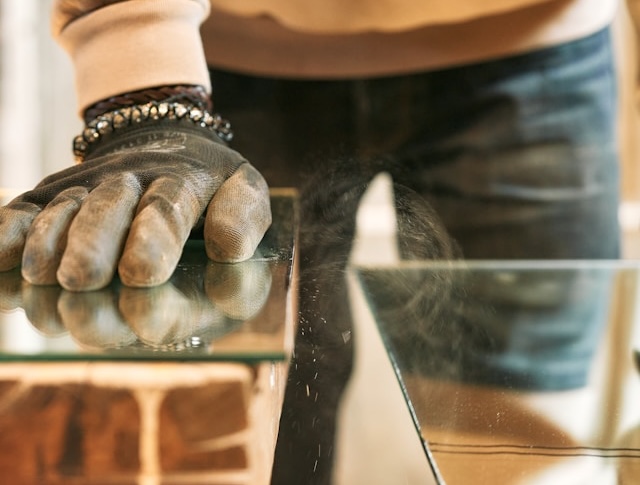
Glass restoration services offer a specialized solution to bring damaged glass back to life without the need for costly replacements. Understanding how these services work and when to use them—can help property owners make smarter maintenance decisions.
Understanding Glass Damage: Causes and Types
Before diving into restoration methods, it’s important to understand the most common types of glass damage.
Hard Water Stains
Hard water stains are caused by mineral-rich water—primarily calcium and magnesium—that dries on glass surfaces. Over time, these minerals bond to the glass, creating cloudy white spots or streaks that standard cleaning cannot remove.
Oxidation and Environmental Buildup
Glass exposed to outdoor elements often accumulates:
- Pollution residue
- Acid rain deposits
- Salt (especially in urban or coastal environments)
These contaminants gradually break down the surface, leading to dullness and reduced clarity.
Scratches and Surface Abrasions
Scratches can occur from:
- Improper cleaning tools (e.g., abrasive pads)
- Construction debris
- Wind-blown particles
Even minor scratches can scatter light and reduce the transparency of glass.
Why Standard Cleaning Isn’t Enough
Traditional window cleaning methods focus on removing dirt and debris from the surface. While effective for routine maintenance, they do not address:
- Mineral bonding
- Surface etching
- Micro-scratches
In fact, repeated use of improper cleaning techniques can worsen the damage. This is where professional glass restoration becomes essential.
The Glass Restoration Process Explained
Professional glass restoration is a multi-step process designed to safely remove contaminants and repair surface imperfections.
1. Surface Assessment
Technicians evaluate the severity of the damage:
- Depth of stains or scratches
- Type of contaminants
- Glass thickness and condition
This step determines the appropriate restoration method.
2. Deep Cleaning and Decontamination
Specialized cleaning agents are used to break down mineral deposits and environmental buildup. Unlike household cleaners, these solutions are formulated to:
- Dissolve hard water stains
- Remove oxidation layers
- Prepare the surface for polishing
3. Mechanical Polishing
For deeper damage, technicians use professional-grade polishing equipment. This process:
- Removes a thin layer of damaged glass
- Smooths out scratches
- Restores clarity and shine
4. Sealing and Protection
After restoration, protective treatments may be applied to:
- Repel water and minerals
- Reduce future staining
- Extend the lifespan of the glass
Comparison of Glass Issues and Restoration Solutions
Glass Issue Cause Restoration Method Difficulty Level Replacement Needed? Hard Water Stains Mineral deposits (calcium, magnesium) Chemical treatment + polishing Moderate Rarely Light Scratches Improper cleaning, debris Surface polishing Moderate No Deep Scratches Construction damage, impact Advanced polishing or resurfacing High Sometimes Oxidation/Cloudiness Pollution, acid rain Decontamination + polishing Moderate Rarely Etched Glass Long-term mineral bonding Intensive restoration High Possibly
Benefits of Professional Glass Restoration
Cost Savings
Replacing glass—especially in commercial buildings—can be extremely expensive. Restoration offers a more affordable alternative, often saving property owners thousands of dollars.
Improved Aesthetic Appeal
Clear, spotless glass enhances:
- Natural lighting
- Property appearance
- Customer perception (for businesses)
Extended Glass Lifespan
By removing damaging contaminants, restoration prevents further deterioration and prolongs the usability of glass surfaces.
Environmental Impact
Restoration reduces waste by eliminating the need for glass replacement, making it a more sustainable option.
Residential vs Commercial Glass Restoration
Residential Applications
Homeowners often need restoration for:
- Shower doors with hard water stains
- Windows exposed to sprinkler systems
- Glass railings and patio doors
Commercial Applications
Businesses benefit from restoration in:
- Storefront windows
- Office buildings
- High-rise structures
- Glass facades
In commercial settings, maintaining clean and clear glass is directly tied to brand image and customer trust.
DIY vs Professional Glass Restoration
While some minor stains can be treated with DIY solutions, there are significant limitations.
DIY Methods
Common approaches include:
- Vinegar or baking soda solutions
- Store-bought stain removers
These may work for light buildup but often fail with:
- Deep mineral deposits
- Etching
- Scratches
Risks of DIY
- Scratching the glass further
- Using harsh chemicals that damage surfaces
- Wasting time with ineffective methods
Professional Advantage
Professional services use:
- Industrial-grade equipment
- Specialized compounds
- Proven restoration techniques
This ensures safe, consistent, and high-quality results.
When Should You Consider Glass Restoration?
You should consider professional restoration if you notice:
- Persistent cloudy spots after cleaning
- Visible scratches or swirl marks
- Reduced transparency or light دخول
- Mineral buildup from sprinklers or rain
Early intervention is key. The longer damage remains untreated, the more difficult—and costly—it becomes to restore.
Preventing Future Glass Damage
After restoration, preventive maintenance helps keep glass in optimal condition.
Best Practices
- Clean glass regularly with non-abrasive tools
- Avoid harsh chemicals
- Install water softeners if hard water is an issue
- Apply protective coatings
Routine Maintenance Schedule
- Residential: every 3–6 months
- Commercial: monthly or quarterly depending on exposure
The Role of Professional Equipment and Expertise
Glass restoration is not just about cleaning—it’s a technical process requiring precision and experience. Professionals use:
- Rotary polishing machines
- Cerium oxide compounds
- Water-fed pole systems for high-rise access
This combination allows them to safely restore glass surfaces that would otherwise be impossible to treat.
Why Glass Restoration Matters for Property Value
Whether for a home or a commercial building, glass condition directly impacts perceived value.
For Homeowners
- Enhances curb appeal
- Improves interior brightness
- Increases resale attractiveness
For Businesses
- Creates a professional image
- Attracts customers
- Reflects attention to detail
In competitive markets, these factors can make a significant difference.
Final Thoughts
Glass restoration services provide an effective, cost-efficient solution for removing hard water stains, scratches, and environmental damage. Instead of replacing entire panes, property owners can restore clarity, extend lifespan, and maintain the visual appeal of their spaces.
For both residential and commercial properties, investing in professional glass restoration is not just about aesthetics—it’s about protecting your property, reducing long-term costs, and ensuring a clean, polished environment.
By understanding the causes of glass damage and the benefits of restoration, you can make informed decisions that keep your windows and glass surfaces looking their best year-round.